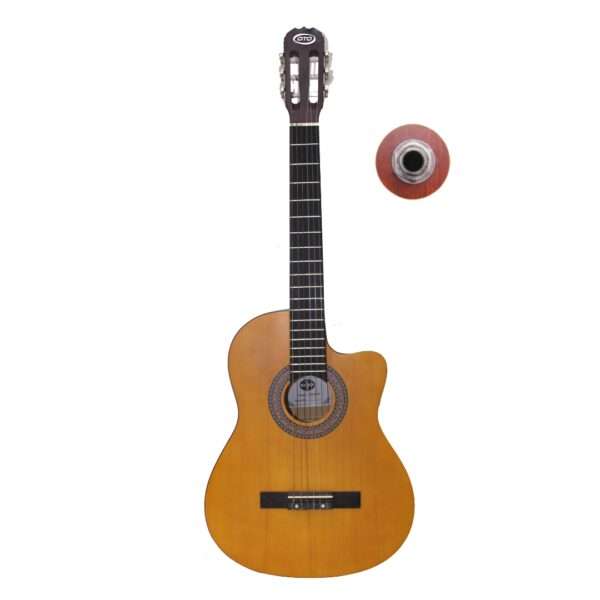

 Semi-Acoustic Guitar

Classical Guitar – The Timeless Instrument for Pure Musical Expression
The Classical Guitar is one of the oldest and most respected musical instruments in the world. Loved for its warm tone and expressive sound, it has been used in classical music, Spanish compositions, and modern acoustic performances for generations. The unique sound of a Classical Guitar creates a calm and emotional musical experience that connects deeply with listeners.
Unlike other guitars, the Classical Guitar uses nylon strings instead of steel strings. These strings produce a softer and smoother sound, which makes the instrument ideal for fingerstyle playing. Because the strings are gentler on the fingers, beginners often find it easier to learn and practice for longer periods.
Unique Design and Structure
One of the defining features of a Classical Guitar is its carefully designed body and neck. The guitar usually has a slightly wider neck than other acoustic guitars, allowing players to place their fingers more accurately on the fretboard. This design helps musicians perform complex melodies, arpeggios, and classical compositions with better precision.
The body of the guitar is crafted to create natural resonance and balanced sound projection. When played, the instrument produces a clear, warm tone that fills the room even without amplification. This natural acoustic quality is one of the reasons why the Classical Guitar remains popul ar among musicians.
Perfect for Learning and Practice
Many music teachers recommend starting with a Classical Guitar because it helps develop proper technique. The softer nylon strings reduce finger strain, which makes it easier for beginners to practice daily. As students learn chords, scales, and fingerstyle patterns, the Classical Guitar helps build strong musical foundations.
The instrument is also ideal for music schools and practice sessions because it allows players to focus on rhythm, finger placement, and tone control without needing electronic equipment.
Versatile Musical Style
Although it is called a Classical Guitar, this instrument is not limited to classical music only. It is widely used in different styles such as flamenco, folk, acoustic pop, and instrumental music. Its warm and balanced sound makes it suitable for both slow emotional melodies and rhythmic fingerstyle performances.
Many solo performers prefer the Classical Guitar because it can create both harmony and melody at the same time. This makes the instrument perfect for expressive solo performances.
Comfort and Playability
Comfort is an important factor when choosing a musical instrument. The Classical Guitar is designed with a lightweight body and smooth neck finish, making it easy to hold and play. The balanced shape allows musicians to practice for long hours without discomfort.
For beginners especially, this comfort encourages consistent practice and faster improvement.
Care and Maintenance
To maintain the sound and condition of your Classical Guitar, regular care is essential. After playing, wipe the strings and body to remove dust and sweat. Store the guitar in a protective case to avoid damage. It is also important to keep the instrument away from extreme temperature and humidity, as these conditions can affect the wood.
Replacing nylon strings when they lose their tone will keep the guitar sounding fresh and clear.
Final Thoughts
The Classical Guitar is more than just a musical instrument—it is a symbol of musical tradition and artistic expression. Its smooth tone, comfortable design, and timeless appeal make it an excellent choice for beginners, students, and professional musicians.
Whether you are learning basic chords, practicing fingerstyle techniques, or performing beautiful melodies, the Classical Guitar provides a rich and inspiring musical experience that continues to influence musicians around the world. 🎸
Showing the single result